
The life of Halikarnas Balıkçısı is shaped by a story that begins with his exile to Bodrum but gradually transforms into a deep sense of belonging. His literary understanding, which centers on the sea, nature, and coastal people; the contribution to the birth of the blue voyage culture; and the traces it left on Bodrum's cultural identity provide a strong framework for understanding his world of thought.
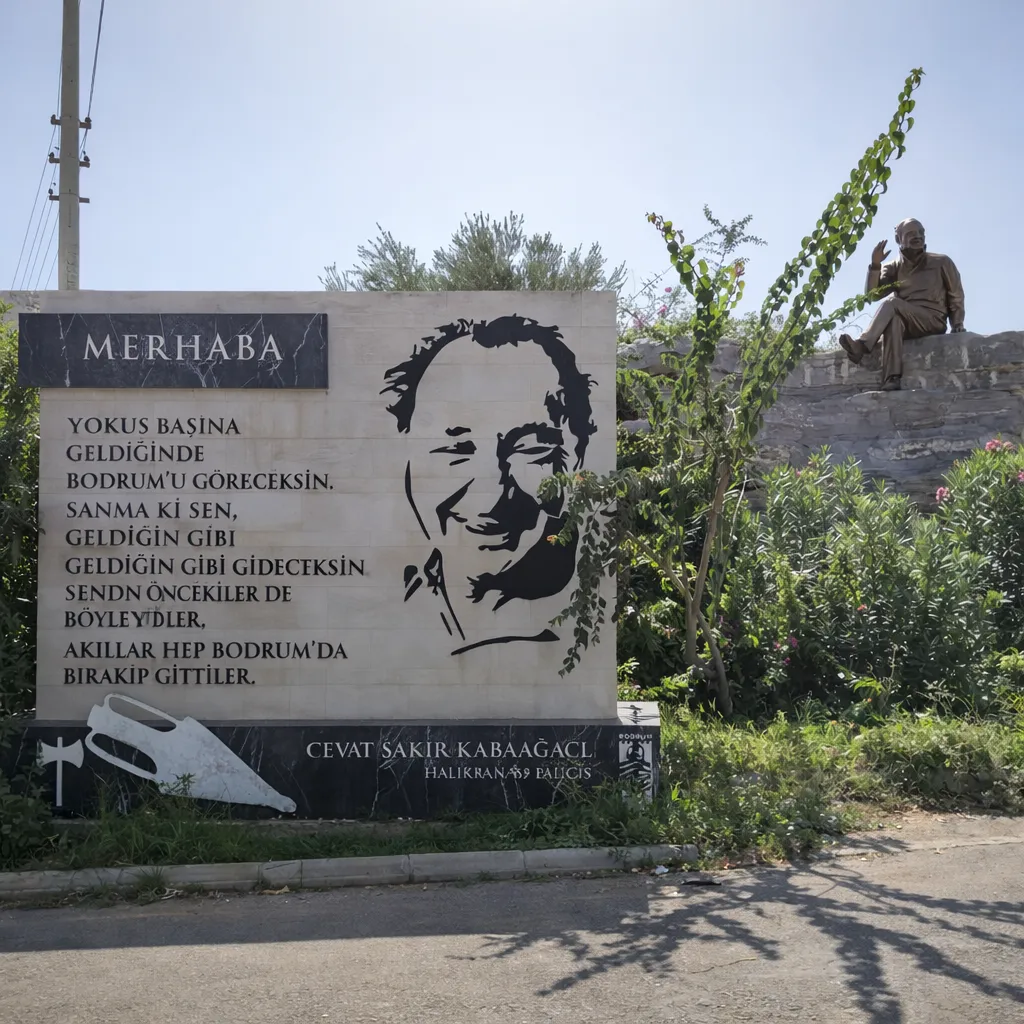
Halikarnas Fisherman holds a special place in our literature with its unique narrative language that connects the sea, nature, and humanity. By his real name, Cevat Şakir Kabaağaçlı, he is not just a writer; he is a pioneering thinker who shaped the modern cultural identity of Bodrum and made Aegean life visible through literature. In his texts, Bodrum is not just a geography; it is a way of life, a state of mind, and a memory of civilization.
Born in 1890, Cevat Şakir Kabaağaçlı was raised as an intellectual who received a good education and became acquainted with both Western and Eastern cultures. However, the event that determined the direction of his life was his exile to Bodrum due to an article he wrote in the 1920s.
Although this exile may seem like a punishment at first glance, for Balıkçı, it signifies a "rebirth." The writer, who settled on the tranquil shores of the Aegean, establishes a strong bond with nature, the sea, and the local people. Over time, Bodrum becomes not just a temporary stop for him but a permanent home.
At the center of Halikarnas Fisherman's literature are three main elements: the sea, nature, and humanity.
In his works, the sea is not just a landscape. The sea symbolizes freedom, fate, struggle, and passions. Fishermen, sponge divers, sailors, and coastal people are depicted in his texts without romanticization, portrayed through their real lives.
Nature, on the other hand, is like a living being in Balıkçı's works. The wind, cliffs, bays, islands, and sun become active elements of the stories. Human characters are shaped within this natural environment and exist alongside it.
In Balıkçı's narratives, there is not only daily life; there is also a cultural heritage spanning thousands of years. Ancient cities, mythological heroes, and ancient civilizations intertwine with the story of modern humanity.
According to him, Anatolia and the Aegean are not just a geography carrying the remnants of the past; they are living areas of civilization. This perspective also forms the basis of the idea of "Blue Anatolia." The writer offers a universal perspective by interpreting the cultural roots of Anatolia alongside Ancient Greek and Mediterranean civilizations.
Halikarnas Fisherman is one of the pioneers of the "blue voyage" tradition, which is now synonymous with the Aegean coasts. These journeys made with small boats alongside his friends are not ordinary holiday trips.
The aim of these travels is to explore the coasts, get to know ancient cities, connect with the local people, and merge with nature. Over time, these journeys transform into a cultural movement that inspires literature, painting, and the world of thought. Today, the intellectual foundations of yacht tourism developing in Bodrum and its surroundings also stem from this heritage.
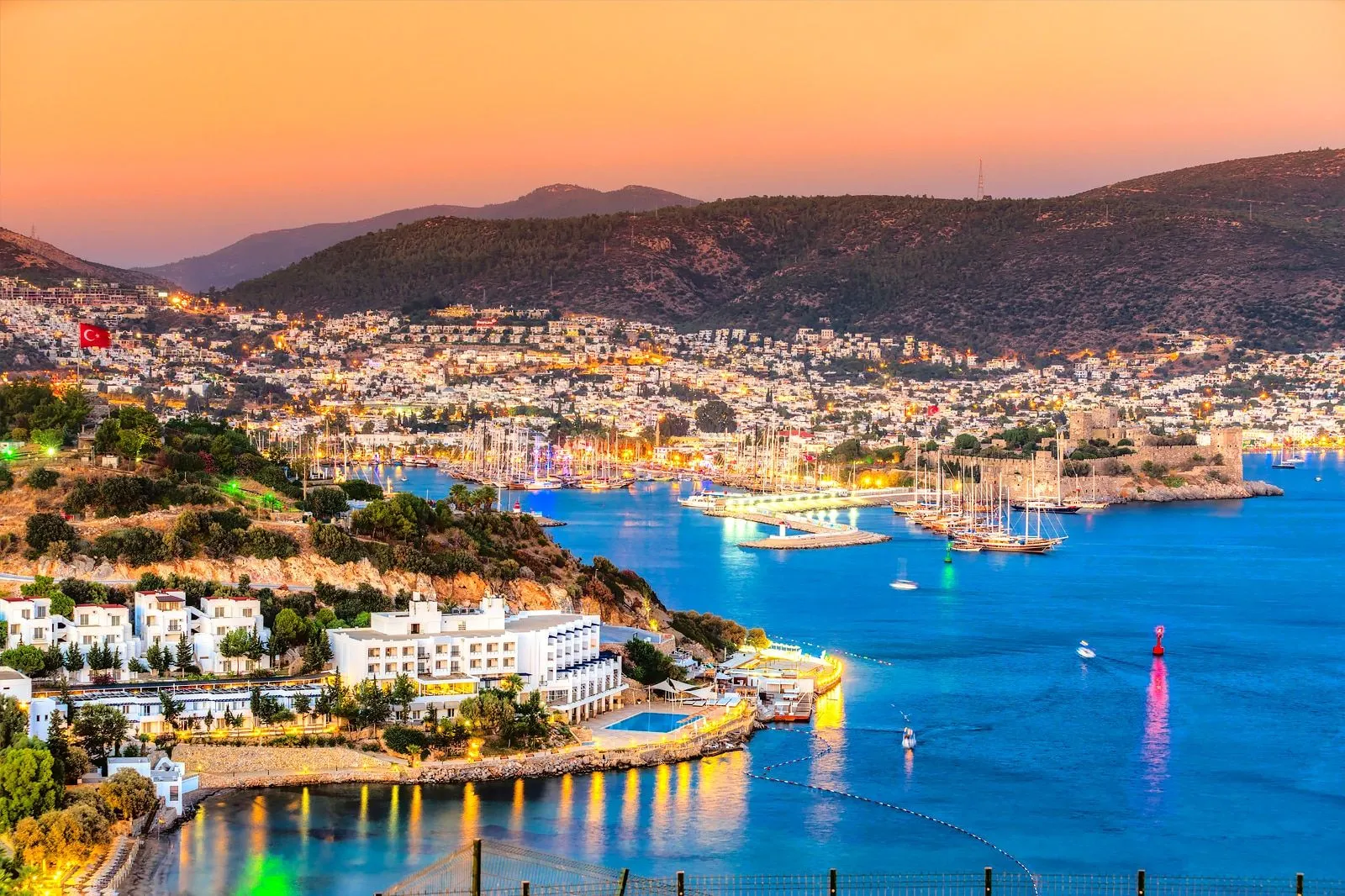
Halikarnas Fisherman did not just write about Bodrum; he virtually redefined it. Before his works, Bodrum was a small coastal town known to a limited extent across Turkey. Thanks to Balıkçı's writings, Bodrum has become a city associated with literature, known for its nature, and perceived as a cultural center.
The bougainvilleas he planted in his garden, his relationships with the local people, his support for young writers, and his approach to promoting cultural production demonstrate that his bond with the city is not only literary but also vital.
Balıkçı's language is simple yet profound. His sentences flow smoothly; his descriptions are powerful. The balance between poetic expression and realistic observation is one of the most important elements that make his texts enduring.
He uses a sincere and direct narrative that is free from exaggeration. The reader does not just read a story in the texts; they feel the salt of the sea, the coolness of the wind, and the rhythm of coastal life.
Halikarnas Fisherman is considered the strongest representative of "sea literature" in Turkish literature. He has also provided a pioneering perspective on environmental awareness, cultural heritage consciousness, and the preservation of local values.
Many writers and researchers who followed him have followed the path he opened while addressing the Aegean and Mediterranean geography. Today, his traces are still alive in the cultural memory of Bodrum.
Halikarnas Fisherman is not just a literary figure who writes books. He is a pioneering thinker who interprets the geography he lives in, connects the past with the present, and transforms Bodrum into a "cultural space."
His works are a passion guide for those who love the sea; a source of awareness for those who value nature; and an indispensable reference for those who want to understand Bodrum. The reason for its continued readership today is the timelessness of the world he describes.